Hotel Script Font: The Art of Natural Elegance in Modern Design
Typography is one of the most powerful yet understated elements of visual communication. The right font can whisper elegance, shout confidence, or simply make a message feel more human. Among the many typefaces available to designers today, Hotel Script stands out as a remarkable choice — a beautiful signature script font that captures the organic rhythm of handwriting while maintaining a polished, professional edge. Whether you are a seasoned graphic designer, a small business owner working on a brand refresh, or someone planning a wedding, understanding what makes Hotel Script unique can help you make smarter creative decisions.
In this article, we will explore Hotel Script from the ground up. We will look at its defining features, uncover why it has become a favorite in the design community, and examine how it fits into the broader landscape of modern creativity and business. By the end, you will have a clear understanding of how a single typeface can elevate a wide range of design projects to the highest level.
What Is Hotel Script Font?
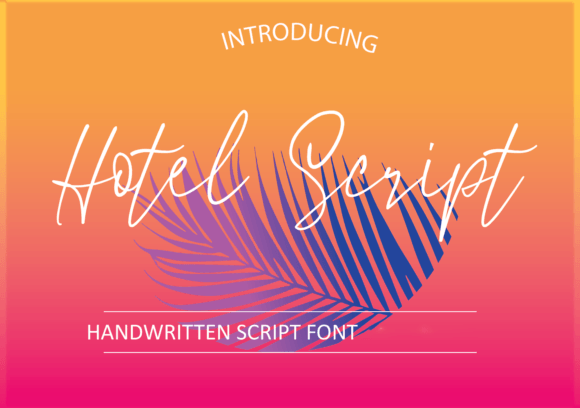
Hotel Script is a signature script font designed to replicate the natural movement of human handwriting. Unlike rigid, mechanical typefaces, Hotel Script flows with a sense of freedom and authenticity. Its letterforms are connected in the way cursive handwriting connects, with varying stroke weights that mimic the pressure of a pen on paper. The result is a typeface that feels personal, warm, and inherently artistic.
At its core, Hotel Script belongs to the script category of fonts — a broad family that includes everything from formal calligraphy to casual brush lettering. However, what sets Hotel Script apart is its deliberate emphasis on natural movement. Many script fonts can feel stiff or overly uniform, as though a machine tried too hard to imitate a human hand. Hotel Script avoids this pitfall by incorporating subtle irregularities, graceful curves, and a rhythm that feels genuinely handwritten. This makes it an exceptional tool for designers who want to infuse their work with a sense of individuality and charm.
The Distinctive Characteristics of Hotel Script
To appreciate why Hotel Script has gained such popularity, it helps to break down its visual and functional qualities. Understanding these characteristics can guide you in choosing the right font for your next project.
Natural Movement and Organic Flow
The most immediately noticeable feature of Hotel Script is its natural movement. Each character transitions smoothly into the next, creating a fluid reading experience. The baseline is not perfectly straight, giving the text a gentle, dancing quality that mirrors real handwriting. This organic flow makes Hotel Script particularly effective for projects that require a human touch — think heartfelt invitations, personal signatures, or branding that aims to feel approachable rather than corporate.
Signature-Style Authenticity
Hotel Script is often described as a signature font, meaning it closely resembles the look of a personal autograph. This quality makes it ideal for designs where you want to convey exclusivity, craftsmanship, or a bespoke feel. A logo that uses Hotel Script can appear as though it was hand-signed by the founder, instantly building trust and emotional connection with the audience. In an era of mass production and digital uniformity, this authenticity is valuable currency.
Versatility Across Design Mediums
Despite its elegant appearance, Hotel Script is remarkably versatile. It works well in both digital and print formats, adapting to screens and paper with equal grace. From large-scale headings to delicate details on product labels, the font maintains its readability and aesthetic appeal. Designers often turn to Hotel Script when they need one typeface that can do it all — convey sophistication in a wedding invitation, catch the eye on a storefront sign, and add personality to a website header.
Why Designers Choose Hotel Script for Creative Projects
The true value of any font lies in its real-world applications. Hotel Script has proven itself across a diverse range of design scenarios, earning the trust of professionals who demand both beauty and functionality. Let's examine the key areas where this signature script font truly shines.
Branding and Identity Design
In the competitive world of branding, differentiation is everything. A brand's visual identity must communicate its personality at a glance, and typography plays a starring role in that effort. Hotel Script offers brands a way to stand out with elegance and warmth. Imagine a boutique coffee shop, a luxury skincare line, or a handmade jewelry business — each of these can benefit from a typeface that suggests care, individuality, and a human touch. By using Hotel Script in logos, taglines, or packaging, businesses signal that they value quality and personal connection over mass-market appeal.
Moreover, Hotel Script's signature quality allows small businesses to create a visual identity that feels established and credible, even if they are just starting out. A well-designed logo with this font can convey the same level of polish that larger companies spend thousands to achieve, leveling the playing field in a meaningful way.
Wedding and Event Stationery
Perhaps no area of design leans more heavily on script fonts than the wedding industry. Invitations, save-the-dates, place cards, menus, and thank-you notes all call for a touch of romance and refinement. Hotel Script delivers exactly that. Its graceful letterforms evoke the timeless beauty of traditional calligraphy without the prohibitive cost or time investment of hiring a professional calligrapher.
For couples planning their special day, using Hotel Script across their stationery suite creates a cohesive and sophisticated look. The font pairs beautifully with minimalist sans-serif fonts for a modern feel, or with serif fonts for a more classic, formal aesthetic. Event planners and stationery designers appreciate how the font's natural movement adds a sense of occasion without feeling overly formal or stuffy.
Logos and Personal Signatures
A logo is often the first point of contact between a brand and its audience, making it one of the most critical elements of any business strategy. Hotel Script's ability to mimic a genuine signature makes it an obvious choice for logo design, particularly for personal brands, creative entrepreneurs, and service-based businesses. A photographer, life coach, interior designer, or freelance writer could all use Hotel Script to create a memorable and personable brand mark.
Beyond traditional logos, many professionals use the font to create digital signatures for email correspondence, contracts, or social media graphics. This small detail adds a layer of polish and professionalism that can set someone apart in a crowded marketplace. The signature becomes part of the brand story — an implicit promise of authenticity and personal attention.
Labels and Packaging Design
Product packaging is a silent salesperson, communicating value, quality, and brand identity in the seconds it takes a consumer to scan a shelf. Hotel Script is frequently used on labels for wine bottles, artisanal food products, cosmetics, and handmade goods. Its elegant curves suggest craftsmanship and premium quality, helping products command higher prices and attract discerning customers.
When applied to packaging, Hotel Script can transform an ordinary container into something that feels like a gift. This emotional response is powerful in consumer behavior — people are more likely to purchase and repurchase products that make them feel special. For small-batch producers and independent makers, choosing the right font is a strategic decision that directly impacts sales and brand loyalty.
Hotel Script in Modern Design Contexts
Typography does not exist in a vacuum. It evolves alongside culture, technology, and shifting consumer expectations. Hotel Script fits neatly into several contemporary design movements, including the trend toward human-centered design and the growing demand for authenticity in an increasingly digital world.
As automation and artificial intelligence become more prevalent, there is a counterbalancing desire for things that feel handmade, imperfect, and uniquely human. This explains the resurgence of script fonts in recent years. Hotel Script, with its handcrafted appearance, speaks directly to this cultural moment. It reminds viewers that behind every brand, every product, and every piece of communication, there are real people with real stories.
In user interface and web design, Hotel Script serves as an excellent accent font. While it would not be suitable for dense body text — script fonts can be difficult to read in long paragraphs — it works beautifully for headings, hero text, and call-to-action buttons. When used sparingly, it draws the eye and creates a focal point that guides the user through the experience.
Common Misunderstandings About Script Fonts
Despite their popularity, script fonts like Hotel Script are sometimes misunderstood or misapplied. Clarifying these misconceptions can help you use the font more effectively and avoid common pitfalls.
One frequent misunderstanding is that script fonts are only appropriate for feminine or romantic projects. While Hotel Script certainly excels in wedding and lifestyle contexts, its versatility extends far beyond those categories. A bold, masculine brand could use the font strategically to soften its image or to highlight a particular product line. The key lies in thoughtful pairing with other design elements — colors, imagery, and complementary typefaces all influence the overall impression.
Another assumption is that using a signature font means sacrificing readability. In reality, Hotel Script is designed with legibility in mind. Its clear letter shapes and comfortable spacing make it easy to read at various sizes, provided it is not overused or set in all capital letters. As with any design tool, success depends on context and restraint.
Practical Tips for Using Hotel Script Effectively
To get the most out of Hotel Script, consider the following practical guidelines drawn from professional design experience:
- Use it as a display font. Hotel Script works best for headlines, titles, and short blocks of text. Avoid setting entire paragraphs in this font, as the connected letters can become fatiguing to read over long stretches.
- Pair it with a simple complementary font. Clean sans-serif fonts like Montserrat, Open Sans, or Futura create a pleasing contrast with Hotel Script's cursive elegance. This pairing technique balances personality with readability.
- Mind your spacing. Script fonts often need careful attention to letter spacing and line height. Give Hotel Script room to breathe, especially in digital applications where screen resolutions can affect how thin strokes render.
- Consider color and contrast. Hotel Script shines when printed in dark ink on light backgrounds or when displayed in high-contrast color combinations. Metallic foils, embossing, and letterpress techniques can amplify its luxurious feel in print projects.
- Test across devices. If you plan to use Hotel Script on a website, ensure that it displays correctly on mobile devices, tablets, and desktop screens. Web font versions or reliable fallback fonts should be part of your implementation strategy.
The Bigger Picture: Signature Fonts and Visual Communication
Zooming out from the specifics of Hotel Script, it is worth reflecting on why signature fonts hold such a special place in visual culture. Handwriting is deeply personal — no two signatures are exactly alike. When a design incorporates a script typeface, it borrows some of that personal significance. The message becomes not just informational but relational. It feels as though someone took the time to craft something specifically for the viewer.
In education, teachers use script fonts to create warm and welcoming classroom materials. In healthcare, thoughtful typography on patient communications can reduce anxiety by feeling less clinical. In technology, app developers use humanistic fonts to make interfaces feel friendlier. Across industries, the underlying principle is the same: typography shapes how people feel about what they see.
Hotel Script contributes to this larger story by offering a tool that is both beautiful and accessible. It democratizes elegance, allowing anyone — from a DIY bride to a startup founder — to access the kind of refined typography that was once reserved for specialized craftspeople. In doing so, it empowers creativity and elevates everyday communications.
Conclusion
Hotel Script is more than just a font. It is a bridge between the precision of digital design and the warmth of human handwriting. Its natural movement, signature authenticity, and impressive versatility make it a valuable asset for branding, wedding design, logos, labels, and beyond. By understanding its characteristics and applying it thoughtfully, designers and non-designers alike can produce work that resonates on a deeper emotional level.
As you consider your next design project, remember that typography is never a neutral choice. Every curve, every connection, every subtle variation in stroke weight communicates something. With a font like Hotel Script, you choose to communicate elegance, individuality, and a genuine human touch — qualities that will always be in style.