Discovering Nourah Script: The Handwritten Font That Brings Designs to Life
In a world saturated with digital uniformity, there is something profoundly refreshing about the imperfect beauty of handwriting. Nourah Script captures that very essence—a carefully crafted handwritten script font that delivers elegance, personality, and a distinctly human touch. Each character in Nourah Script carries a unique shape, making it feel less like a mechanical typeface and more like an intimate note penned by hand. This article takes you deep into what makes Nourah Script special, how to use it effectively, and why it deserves a place in your creative toolkit.
What Is Nourah Script?
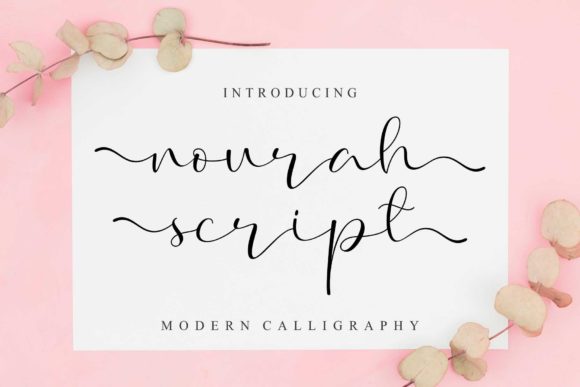
At its core, Nourah Script is a handwritten display typeface designed to mimic natural cursive writing. Unlike traditional serif or sans-serif fonts that prioritize rigid geometry, Nourah Script embraces organic flow. Each letter appears to dance across the page with smooth curves, graceful ligatures, and deliberate irregularities that replicate the rhythm of real handwriting.
The font is not just another cursive option; it is built with intention. Every character—from the sweeping lowercase “a” to the flourished uppercase “N”—has been individually refined. The result is a cohesive family of glyphs that feel both personal and polished. Designers often describe Nourah Script as having a warm, inviting personality that bridges the gap between casual charm and sophisticated branding.
What separates a true handwritten script font from a generic cursive font is contextual alternates and ligature support. Nourah Script includes these features, allowing letters to connect naturally depending on their position in a word. This means the word “lovely” will look genuinely handwritten, not like five isolated letters placed next to each other.
The Unique Visual Characteristics of Nourah Script
Understanding why Nourah Script feels so distinctive requires looking closer at its design DNA:
- Smooth, flowing curves – The baseline is gentle, and ascenders and descenders sweep with controlled freedom. This gives text a rhythmic, musical quality.
- Varied stroke weights – Thin upstrokes contrast with slightly thicker downstrokes, mimicking the pressure variations of a real pen or brush.
- Unique character shapes – No two letters feel identical. The lowercase “e” might have a subtle loop, while the “r” features an elegant terminal that sets it apart from standard scripts.
- Natural spacing – The kerning is adjusted to feel airy but cohesive, avoiding the cramped look that plagues many script fonts.
- Contextual ligatures – Double letters like “tt” or “ll” are handled with care, preventing awkward repetition and enhancing realism.
These traits combine to create a font that feels alive. When you set a word like “Elegance” in Nourah Script, you see more than text—you see a gesture, a mood, a statement. This emotional resonance is precisely what makes handwritten fonts so powerful in visual communication.
Why Handwritten Fonts Matter in Modern Design
To appreciate Nourah Script fully, it helps to understand the broader role of handwritten typography in today's visual landscape. We live in an era of digital minimalism, where clean sans-serif fonts dominate user interfaces and corporate communications. While these designs excel at clarity, they can sometimes feel cold or impersonal.
Handwritten fonts like Nourah Script reintroduce humanity into design. They remind viewers that a real person crafted the message. This psychological effect is supported by research in emotional design: when people perceive human touch in visual media, they tend to feel more connected, trusting, and engaged.
Consider these practical scenarios where a handwritten font transforms the experience:
- A luxury fashion brand uses Nourah Script for its logo, instantly conveying artistry and exclusivity.
- A wedding invitation feels more intimate and personal when the names of the couple are set in a flowing script.
- An editorial magazine pulls readers into a feature story with a handwritten pull quote that breaks the grid.
- A café menu written in script font evokes warmth, suggesting homemade food and personal service.
In each case, the font choice is not merely decorative—it is strategic. It shapes perception before a single word is consciously read.
Nourah Script in Fashion Branding and Editorial Design
Nourah Script is widely recognized for its exceptional fit in fashion branding and editorial layouts. But why do these two industries gravitate toward handwritten scripts so strongly?
Fashion Branding: Where Elegance Meets Identity
In fashion, a brand's typography is often as iconic as its products. Think of the flowing signatures of high-end labels or the delicate script on perfume bottles. Nourah Script speaks the same visual language. Its smooth curves convey luxury, femininity, and timeless style.
When used on hang tags, shopping bags, or lookbook covers, Nourah Script elevates the perceived value of the brand. It suggests that care has been taken at every detail—from the stitching of a garment to the letters on the page. For emerging designers, choosing a font like Nourah Script can help establish a cohesive brand identity without the expense of custom calligraphy.
Editorial Design: Crafting Visual Stories
Magazines, online journals, and printed lookbooks thrive on contrast. A bold headline in a geometric sans-serif paired with a subheading in Nourah Script creates a beautiful tension between modern structure and human softness. This interplay guides the reader's eye and sets an emotional tone for the content.
Editorial designers often use Nourah Script for:
- Feature article titles – Drawing attention with a handcrafted feel.
- Pull quotes – Breaking up body text with expressive typography.
- Byline signatures – Adding a personal, authorial stamp.
- Section dividers and drop caps – Introducing chapters with flair.
The key is restraint. Because Nourah Script has such a strong personality, a little goes a long way. Overusing it can overwhelm a layout, while strategic application creates moments of visual delight.
How to Confidently Add Nourah Script to Your Projects
If you are new to working with handwritten script fonts, integrating Nourah Script might feel intimidating. Here is a practical roadmap to using it with confidence:
1. Start With a Clear Purpose
Ask yourself: What emotional response do I want to evoke? If the answer involves elegance, warmth, creativity, or personal connection, Nourah Script is likely a strong candidate. Define its role—will it be the hero element in a logo, or a supporting accent in editorial text? Clarity here prevents misuse.
2. Pair Thoughtfully
Nourah Script shines brightest when contrasted with clean, simple typefaces. A classic sans-serif like Helvetica, Montserrat, or Open Sans provides a neutral foundation that allows the script to stand out. Avoid pairing Nourah Script with another highly decorative font, as this creates visual competition that confuses the reader.
3. Mind the Hierarchy
Use Nourah Script for headlines, subheadings, or short phrases. For body text longer than a few lines, stick to a more legible serif or sans-serif. Handwritten fonts can become tiring to read in large blocks, diminishing their charm.
4. Explore OpenType Features
If the version of Nourah Script you are using includes OpenType capabilities, take advantage of ligatures, stylistic alternates, and swashes. These features let you customize the appearance of specific letter combinations, making each design feel bespoke. Many design applications like Adobe Illustrator, Photoshop, and InDesign provide access to these hidden gems through the glyphs panel.
5. Test Across Mediums
A font that looks stunning on screen may behave differently in print or on fabric. Always test Nourah Script in the intended medium. Pay attention to size, color contrast, and background texture. What reads as delicate elegance on a white background can become illegible on a busy photo if not adjusted properly.
Common Misunderstandings About Script Fonts
Despite their popularity, script fonts are often misunderstood. Let's address a few assumptions that designers—especially beginners—frequently encounter.
“Script fonts are only for feminine designs.” While Nourah Script does carry a graceful quality often associated with femininity, its versatility extends further. Depending on color palette, composition, and accompanying elements, the same font can feel bohemian, edgy, or even modern and minimal. Gender associations in typography are largely cultural, and thoughtful designers can transcend these boundaries.
“You can't use script fonts in professional settings.” On the contrary, many luxury brands and high-end publications rely heavily on script typography. Professionalism is not about avoiding certain font categories—it is about using them appropriately and with refinement.
“Handwritten fonts are hard to read.” Legibility depends on context. A short, well-spaced headline in Nourah Script can be perfectly readable. Problems arise only when script fonts are used at tiny sizes, in all caps, or for dense paragraphs. Respect the font's natural strengths, and readability remains intact.
The Growing Demand for Authentic Typography
We are witnessing a cultural shift toward authenticity in design. Audiences have grown weary of overly polished, corporate aesthetics. They crave texture, imperfection, and signs of the human hand. This trend explains the renaissance of hand-lettering, custom calligraphy, and fonts like Nourah Script.
In social media branding, for example, static perfection is being challenged by more spontaneous, real-feeling content. A hand-drawn logo or script quote card can feel more approachable than a perfectly symmetrical design. Nourah Script taps directly into this desire for genuine connection.
Moreover, the rise of independent creators, artisan businesses, and boutique agencies has fueled demand for typography that tells a story. Nourah Script communicates a narrative of care, creativity, and attention to detail—values that resonate deeply with today's thoughtful consumers.
Practical Examples: Nourah Script in Action
To ground this discussion, let's imagine a few real-world applications:
- A skincare brand uses Nourah Script on its product labels. The flowing letters echo the natural, gentle ingredients inside. Combined with soft pastel backgrounds and minimal graphic elements, the packaging feels like a spa experience.
- A freelance photographer incorporates Nourah Script into her watermark and studio name. The handwritten quality implies personal artistry, distinguishing her work from larger, impersonal studios.
- An online magazine sets its culture section headers in Nourah Script. The contrast against a crisp digital layout draws the eye and signals that the content is thoughtful and human-centered.
- A wedding stationery designer offers Nourah Script as a type option for invitations, place cards, and thank-you notes. Couples love the romantic, bespoke feeling it brings to their special day.
In each scenario, the font does not just convey words—it shapes expectations, builds mood, and reinforces brand values. This is the power of choosing the right typeface.
Final Thoughts: Timeless Appeal of Nourah Script
Typography is rarely just about letters. It is about voice, identity, and emotion. Nourah Script embodies these principles through its beautifully unique character shapes and flowing handwritten charm. Whether you are building a fashion brand from scratch, designing editorial layouts, or simply looking to infuse a project with warmth and elegance, this font stands ready to deliver.
Adding Nourah Script to your projects is a confident step toward more expressive, human-centered design. Its smooth curves and authentic feel offer a refreshing alternative to stiff digital type, reminding us that behind every design, there is a person with a story to tell. As you explore its possibilities, you may find that Nourah Script becomes more than a font—it becomes a trusted creative partner, one that never disappoints.